


The voices of experts, journalists and activists – COP30 is better than a complete failure (Part 3)
5. Expert interview: Claudia Kemfert, climate economist
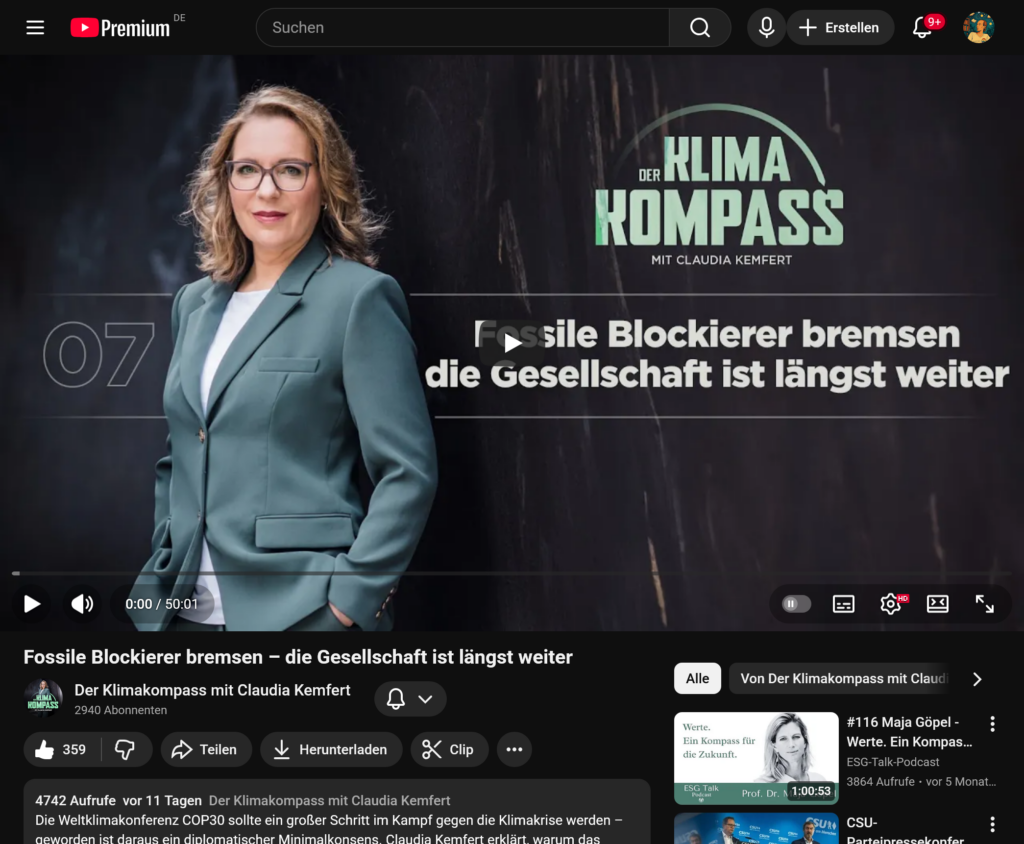
The headline is slightly depressing: „Fossil fuel blockers are slowing things down – society has long since moved on.“ This tension runs through the entire report, in which climate economist Claudia Kemfert looks back on COP30 – and as you listen, you realise that this is not just another sober recap of the climate summit, but a pretty clear reality check on where we stand as a global community. 1 Climate Compass with Claudia Kemfert – „Fossil fuel blockers are slowing things down – society has long since moved on“ 🌐 https://youtu.be/DyDqbC9z6mc
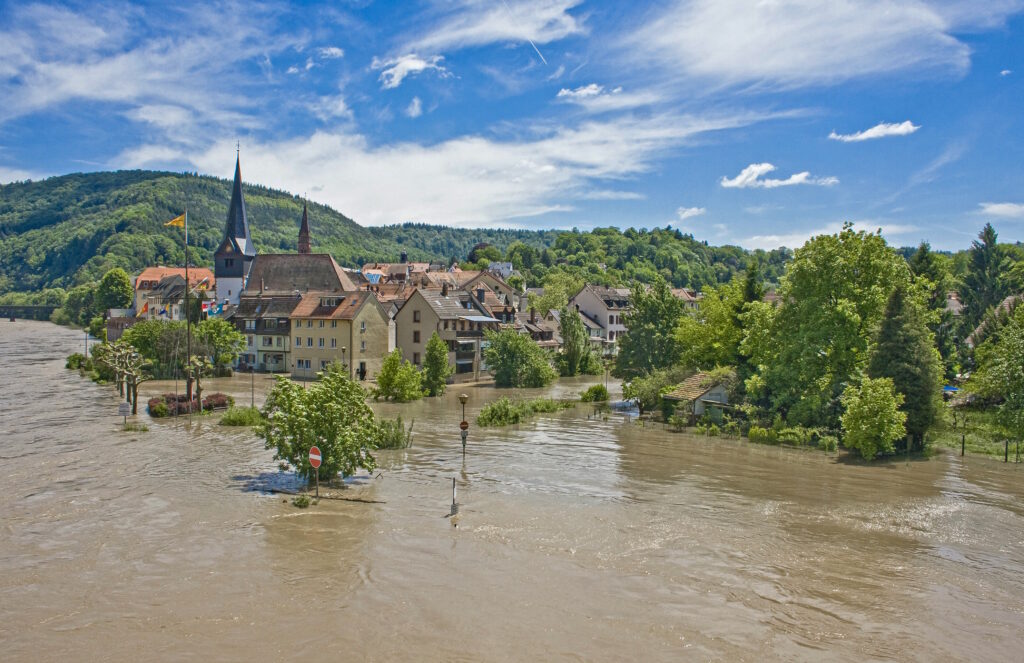
Instead of celebrations over historic breakthroughs, Belém has produced a „minimal diplomatic consensus“. COP30 is better than a complete failure – but it falls miles short of what science demands for a reasonably safe course of action.2 Federal Environment Agency – UN Climate Conference COP30: No breakthrough, but small steps 🌐https://www.umweltbundesamt.de/en/topics/un-climate-conference-cop30-no-breakthrough-but While forests burn, coasts are flooded and heat waves paralyse cities, delegates in conference rooms struggle to find wording that will hurt fossil fuel companies as little as possible.
COP30: When even a „minimal basis“ is considered progress
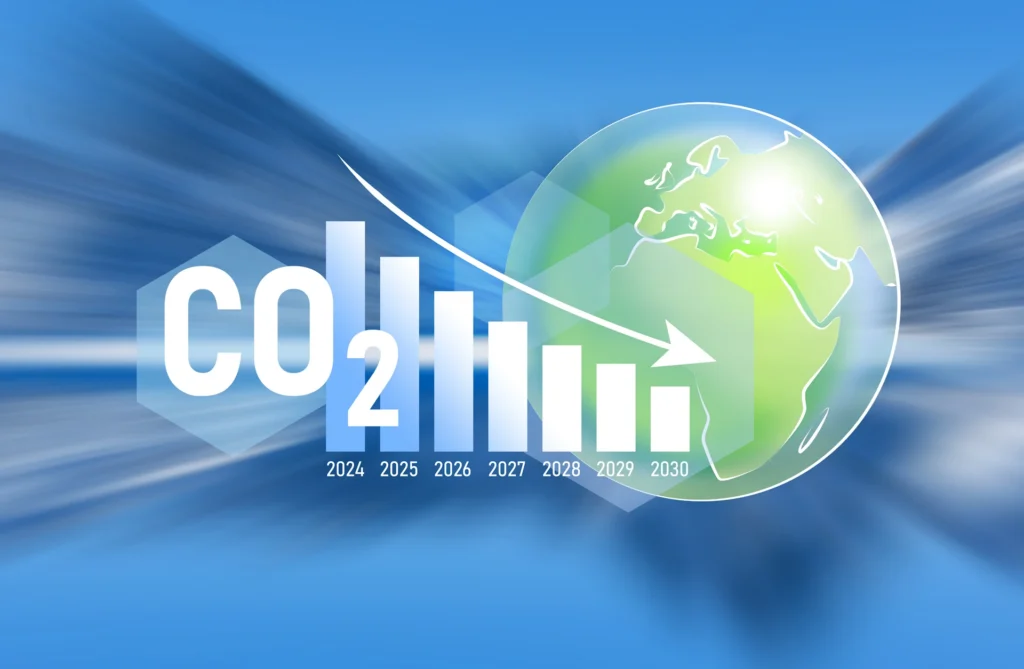
The UN Climate Secretariat calculates what Kemfert classifies politically in the podcast: even if all currently available climate plans (NDCs) were fully implemented, global emissions would fall by just 12 per cent below 2019 levels by 2035.3 UNFCCC – Update to NDC Synthesis Report shows the emissions curve is being bent downwards, but urgent 🌐https://unfccc.int/news/update-to-ndc-synthesis-report-shows-the-emissions-curve-is-being-bent-downwards-but-urgent However, a 1.5-degree pathway would require reductions of around 60 per cent over the same period – five times what is currently on the table.4 IPCC – AR6 Synthesis Report, Summary for Policymakers 🌐https://www.ipcc.ch/report/ar6/syr/
The EU Commission politely calls the result „a very minimal basis for global action,“ but at the same time emphasises that the pace „is far from meeting the urgency of the climate crisis.“.5 EU Climate Action – What did COP30 achieve? 🌐https://climate.ec.europa.eu/news-other-reads/news/what-did-cop30-achieve-2025-12-01_en The climate movement, scientists and many communities in the Global South are much harsher in their judgement. More than 80 countries had demanded a clear roadmap for phasing out coal, oil and gas; in the end, the text contains a watered-down commitment to a „transition away from fossil fuels“, full of loopholes and room for interpretation.6 IISD – COP 30 Outcome: What it means and what’s next 🌐 https://www.iisd.org/articles/insight/cop-30-outcome-what-it-means-and-whats-next
For the first time: the global end for fossil fuels – but not really
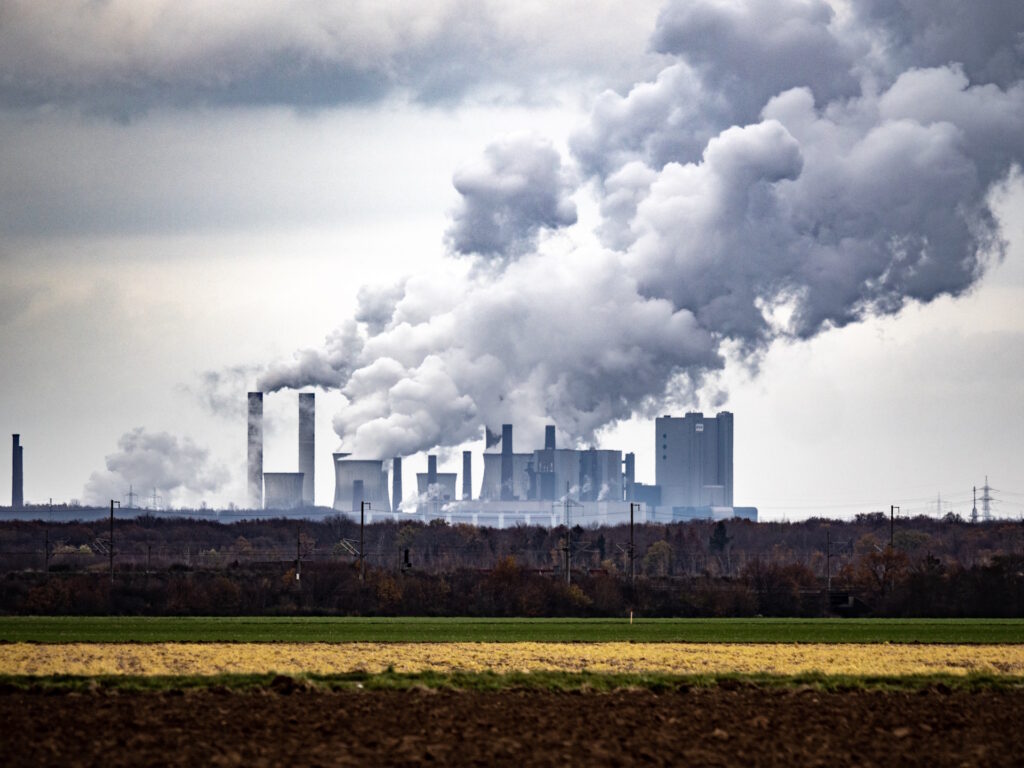
Sounds great at first: for the first time, all countries recognise that fossil fuels have no long-term future and that the world must move away from fossil fuels.10uronews Green – From deforestation to fossil fuels: What did countries actually agree on at COP30 🌐https://www.euronews.com/green/2025/11/24/from-deforestation-to-fossil-fuels-what-did-countries-actually-agree-on-at-cop30 But the details paint a bleak picture: no clear end dates for coal, oil and gas, no commitment to halt new fossil fuel projects, no binding reduction in fossil fuel subsidies.
Organisations such as Deutsche Umwelthilfe (DUH) speak of „watered-down decisions“ on phasing out fossil fuels – measured against physical necessities, the resolutions to end fossil fuels and deforestation fall far short of what is needed. 11 ESG News Earth – COP30 Outcomes Draw Global Criticism as Scientists Warn Climate Action Remains Insufficient 🌐 https://esgnews.com/cop30-outcomes-draw-global-criticism-as-scientists-warn-climate-action-remains-insufficient/ That is precisely what Kemfert is saying: yes, there has been progress on paper. But no, this COP has not really brought the world any closer to the 1.5-degree path. 12 Climate Compass with Claudia Kemfert – „Fossil fuel blockers are slowing things down – society has long since moved on“ 🌐https://youtu.be/DyDqbC9z6mc
At this point, I would like to warmly recommend the podcast „Der Klimakompass mit Claudia Kemfert“ (The Climate Compass with Claudia Kemfert). It's getting too warm anyway, and this podcast addresses many important issues relating to global warming. The pun with the warm recommendation didn't land, did it? Too bad, I thought it was a good one.
Be that as it may. On the energy transition under Merz13 The Climate Compass with Claudia Kemfert, Delaying tactics? The energy transition under Merz 🌐 https://youtu.be/D9EtX4v66dI about the never-ending story of the alleged end of combustion engines14 The Climate Compass with Claudia Kemfert: U-turn on the end of combustion engines? 🌐 https://youtu.be/vROeDZ-YG_k right up to these very consequences for COP3015 The Climate Compass with Claudia Kemfert, COP30: No conference is not a solution either 🌐 https://www.youtube.com/watch?v=a3bpQ1xrEpI&t=6s and the current situation in the world16 The Climate Compass with Claudia Kemfert, Fossil fuel blockers are slowing things down – society has long since moved on 🌐 https://youtu.be/DyDqbC9z6mc There have already been several exciting episodes. Seven, to be precise. 17 The Climate Compass with Claudia Kemfert 🌐 https://www.youtube.com/@klimakompass Which is a shame, because I watched all seven episodes in just two days and now I can hardly wait for the next one to come out.
Brazil between forest protection and new oil drilling
Belém in the state of Pará, in the heart of the Amazon, was intended to be a symbol: host country Brazil wanted to put forest protection, indigenous rights and climate justice front and centre.19 Conclusion of the COP30 World Climate Protection Conference | Federal Government 🌐 https://www.bundesregierung.de/breg-de/aktuelles/abschluss-cop30-2395690 This has been partially successful – from the visibility of indigenous delegations to the announcement of forest protection initiatives. At the same time, Brazil issued new licences for offshore oil drilling during the COP and continues to emphasise that oil and gas exports are a key pillar of its own economy. 20 Euronews Green – From deforestation to fossil fuels 🌐https://www.euronews.com/green/2025/11/24/from-deforestation-to-fossil-fuels-what-did-countries-actually-agree-on-at-cop30
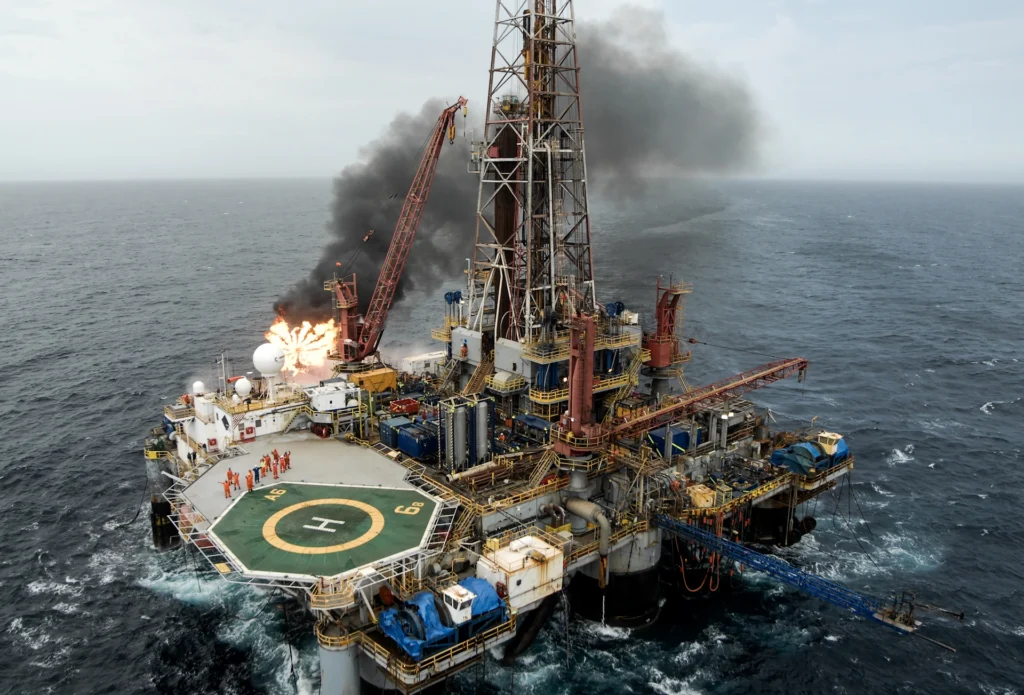
Particularly controversial, but politically skilfully staged, is the Tropical Forest Forever Facility – a multi-billion-euro fund outside the UN framework that will pay Brazil and partner countries to leave forests standing. Germany has already pledged to contribute one billion euros to this fund over ten years; Norway intends to contribute the equivalent of around 2.5 billion euros in the form of loans if other donors follow suit.21 Euronews Green – From deforestation to fossil fuels 🌐 https://www.euronews.com/green/2025/11/24/from-deforestation-to-fossil-fuels-what-did-countries-actually-agree-on-at-cop30 That's important – but it's only one side of the coin: you can't sell credible forest protection and at the same time expand new fossil fuel projects in the same country without running into massive credibility problems. Kemfert points out this contradiction very clearly – and you can sense how difficult it is to see a country as both a beacon of hope and an obstacle at the same time. 22 Climate Compass with Claudia Kemfert – „Fossil fuel blockers are slowing things down – society has long since moved on“ 🌐 https://youtu.be/DyDqbC9z6mc

Germany: „solid“ in terms of climate diplomacy, but far below what is needed
And Germany? The report makes it clear that the German government arrived with a few visible financial commitments, but without any intention of really taking on a leadership role. At COP30, Germany pledged to contribute an additional €60 million to the international adaptation fund – and points out that it has been the largest donor there for years. According to the Ministry of the Environment, Germany's climate adaptation funding from the federal budget for 2024 totalled 2.84 billion euros. 23 COP 30 – Climate adaptation: Germany provides €60 million for the Global Climate Change Adaptation Fund – BMUKN – Press release. Federal Ministry for the Environment 🌐 https://www.bundesumweltministerium.de/pressemitteilung/cop-30-klimaanpassung-deutschland-stellt-60-millionen-euro-fuer-den-globalen-anpassungsfonds-bereit
It sounds like a lot, but measured against global demand, it is simply not enough. UNEP estimates that countries in the Global South will need between 310 and 365 billion US dollars annually for climate adaptation alone by 2035, while international public adaptation funding amounted to just 26 billion US dollars in 2023.24 UNEP – Adaptation Gap Report 2025: Running on Empty (summary) 🌐https://greeningtheblue.org/stories/uneps-adaptation-gap-report-2025-warns-running-empty-adaptation-finance 25 GKToday – UNEP Adaptation Gap Report (AGR) 2025 🌐https://www.gktoday.in/unep-adaptation-gap-report-agr-2025/ The gap in adaptation financing alone is therefore somewhere between 284 and just under 340 billion US dollars per year – money that is simply not available today.26 Climate.Table – Climate adaptation: UNEP expects a shortfall of at least USD 284 billion in 2035 🌐https://table.media/en/climate/feature/climate-adaptation-unep-expects-a-shortfall-of-at-least-usd-284-billion-in-2035
Kemfert describes what was decided in Belém as „symbolic progress“. The states have acknowledged that adaptation funding would need to be roughly tripled by 2035 – but without a clear baseline figure, without a binding distribution formula and without legally enforceable obligations. 27 UNFCCC – Matters relating to adaptation: National adaptation plans. Proposal by the Presidency 🌐https://unfccc.int/documents/654945 28 UNFCCC – Unlocking Climate Finance for Adaptation in the Caribbean Region CN 🌐 https://unfccc.int/documents/655133 29 Mirwald, M., Schwarz, R., Adaptation at COP30 – Getting Ready for Implementation on the Ground While ‘Running on Empty’? 🌐 https://www.germanwatch.org/de/blog/anpassung-auf-der-cop30 30 Mirwald, M., Schwarz, R., Adaptation at COP30 – Getting Ready for Implementation on the Ground While ‘Running on Empty’? 🌐https://www.germanwatch.org/en/node/93327 Politically, this is a signal; financially, it is far removed from the reality in which people are losing their homes, crops and livelihoods.
A trillion for the South – and a whole lot of excuses in the North
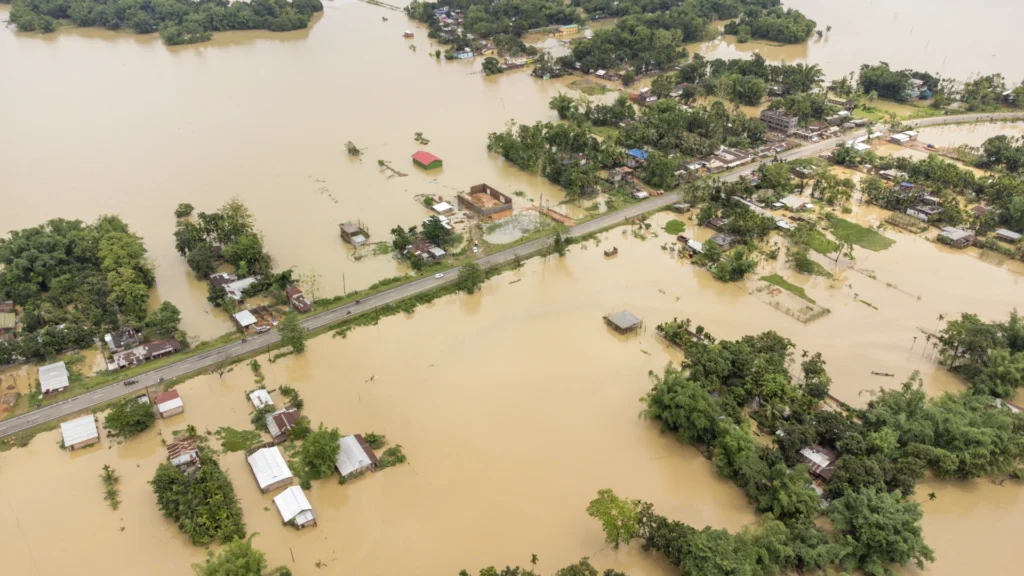
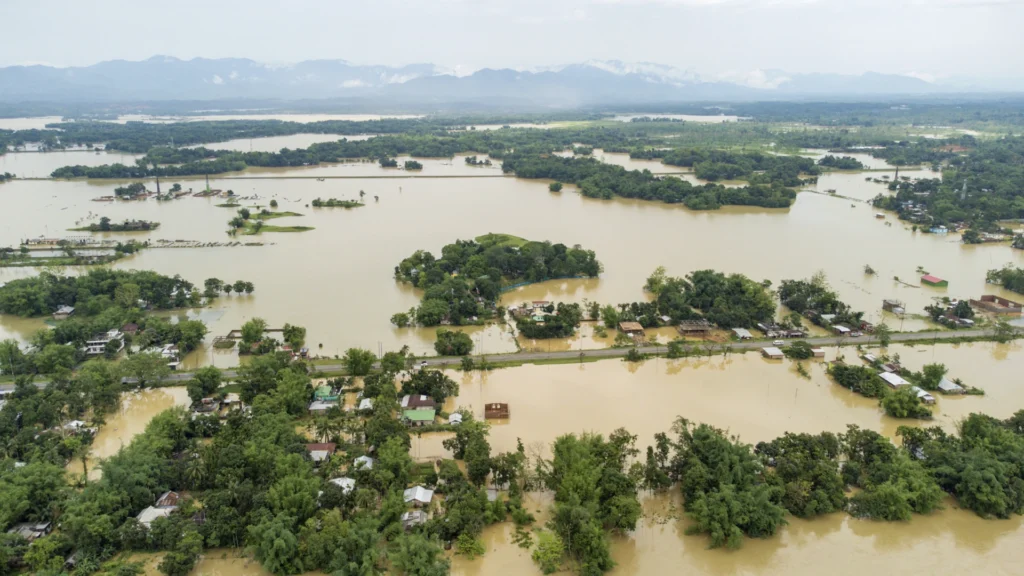
The programme repeatedly mentions the figure of around one trillion US dollars that countries in the Global South would need per year for climate protection and adaptation.31 Climate Compass with Claudia Kemfert – „Fossil fuel blockers are slowing things down – society has long since moved on“ 🌐https://youtu.be/DyDqbC9z6mc Civil society networks such as CAN International are calling for the new global climate finance target (NCQG) to be at least US$300 billion per year for adaptation alone – and significantly higher overall if emission reductions are also included. 32 Climate Action Network – Briefing: A New Adaptation Finance Commitment under the Global Goal on Adaptation 🌐https://climatenetwork.org/resource/briefing-a-new-adaptation-finance-commitment-under-the-global-goal-on-adaptation/ UNEP, in turn, estimates that the pure adaptation costs could even reach 440 to 520 billion US dollars annually by 2035, adjusted for inflation.33 UNEP – Adaptation Gap Report 2025 (detailed analysis) 🌐 https://www.weadapt.org/knowledge-base/governance-institutions-and-policy/unep-adaptation-gap-report-2025-running-on-empty/
At the same time, even before COP30, the Baku Belém Roadmap had already raised the issue of a climate financing target of 1.3 trillion US dollars by 2035 – a mix of public and private financing, but it remains completely unclear how much of this is actually additional and to what extent debt traps for the South can be avoided. 34 UNEP – Adaptation Gap Report 2025: Running on Empty (reference to Baku–Belém Roadmap) 🌐 https://www.gktoday.in/unep-adaptation-gap-report-agr-2025/ In Belém, this target was not definitively enshrined in policy – but it remains a figure that makes one thing clear: if wealthy countries want to, they can find the money. The question is not „whether“ but „who pays – and under what conditions“.
China between world record solar power and coal dependency
A particularly exciting strand of the report is devoted to China. Kemfert vividly describes how contradictory the country's role is: no new, significantly stricter climate targets at COP30, no accelerated phase-out of coal – but a massive expansion of renewable energies, which is already growing faster than the country's own electricity demand. 35 Climate Compass with Claudia Kemfert – „Fossil fuel blockers are slowing things down – society has long since moved on“ 🌐 https://youtu.be/DyDqbC9z6mc
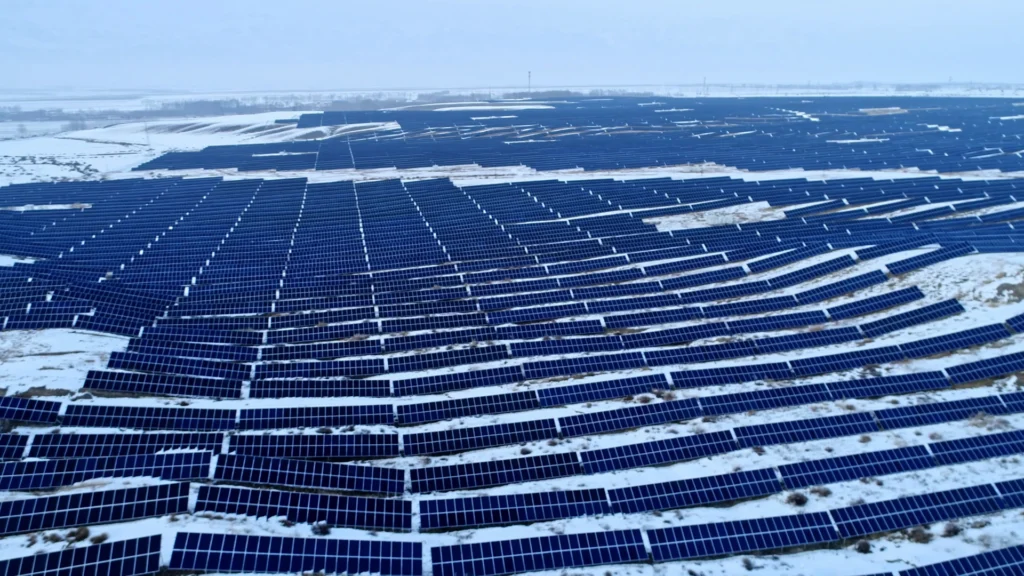
We've heard about it, yes. But it's impossible to truly comprehend and grasp the scale at which China is pushing ahead with the expansion of renewable energies. China's largest solar park at present is a new mega-project in the desert near Ürümqi in the Xinjiang region. In 2024, the Midong Solar Park (sometimes simply referred to as the „largest solar farm near Urumqi/Xinjiang“) was connected to the grid there.
The plant has an installed capacity of around 3.5 gigawatts (3,500 MW) and covers approximately 33,000 hectares of desert land. According to the operators, it generates around 6.1 billion kWh of electricity per year, enough to cover the Balearic Islands' annual consumption of around 5–6 TWh. 36 Number of tourists on the Balearic Islands, Spain from 2017 to 2024, by main origin 🌐https://www.statista.com/statistics/772140/annual-number-of-tourists-arriving-in-the-balearic-islands-by-origin/ 37 Balearic Islands on track to record tourist arrivals in 2023 🌐 https://mallorcaglobalmag.es/en/baleares-camino-de-registrar-record-de-llegadas-de-turistas-en-2023 Just to remind you, wink smiley, the Balearic Islands are the Mediterranean islands of Mallorca, Menorca, Ibiza and Formentera. All of them. With just one solar park. And it's not just the inhabitants of all the islands combined who are electricity consumers. We're talking about around 17.9 million tourists every year.38 National electrical energy balance (generation mix) 🌐 https://electrek.co/2024/06/04/worlds-largest-solar-farm-china/
In its World Energy Outlook, the International Energy Agency confirms that China is the global leader in the expansion of wind and solar energy and will have installed more new solar capacity annually than the rest of the world combined by 2024/2025.39 IEA – World Energy Outlook 2025 (China factsheet) 🌐 https://www.iea.org/reports/world-energy-outlook-2025 At the same time, the country remains the world's largest consumer of coal and continues to build new coal-fired power stations, citing energy security and industrial competitiveness among other reasons.40 IEA – Coal 2024 🌐https://www.iea.org/reports/coal-2024 41 IEA (2024), Coal 2024, IEA, Paris https://www.iea.org/reports/coal-2024, Licence: CC BY 4.0 🌐 https://iea.blob.core.windows.net/assets/a1ee7b75-d555-49b6-b580-17d64ccc8365/Coal2024.pdf This makes China a deeply ambivalent player: a driver of the global energy transition – and at the same time a major driver of climate change.
Kemfert describes how China tends to be rather cautious on the international stage, rarely promising more than it can deliver – and, unlike some Western countries, is known for actually keeping its promises.42 Climate Compass with Claudia Kemfert – „Fossil fuel blockers are slowing things down – society has long since moved on“ 🌐https://youtu.be/DyDqbC9z6mc For climate policy, this means that if China commits more seriously and earlier to a faster phase-out of coal, there is a high chance that this will actually happen. However, there is still a huge gap between its technological leadership in renewables and the fossil fuel reality in its electricity mix.

Carbon Markets: Between Climate Protection Instrument and Climate Colonialism
At COP30, the Open Coalition on Compliance Carbon Markets was announced – a coalition of 18 countries to date, including Brazil, EU countries (including Germany) and China, which aims to better link state-regulated emissions trading systems and make CO₂ prices a stronger lever. 43 COP30 – Carbon Market Coalition welcomes 18 member countries at COP30 🌐 https://cop30.br/en/news-about-cop30/carbon-market-coalition-welcomes-18-member-countries-at-cop30
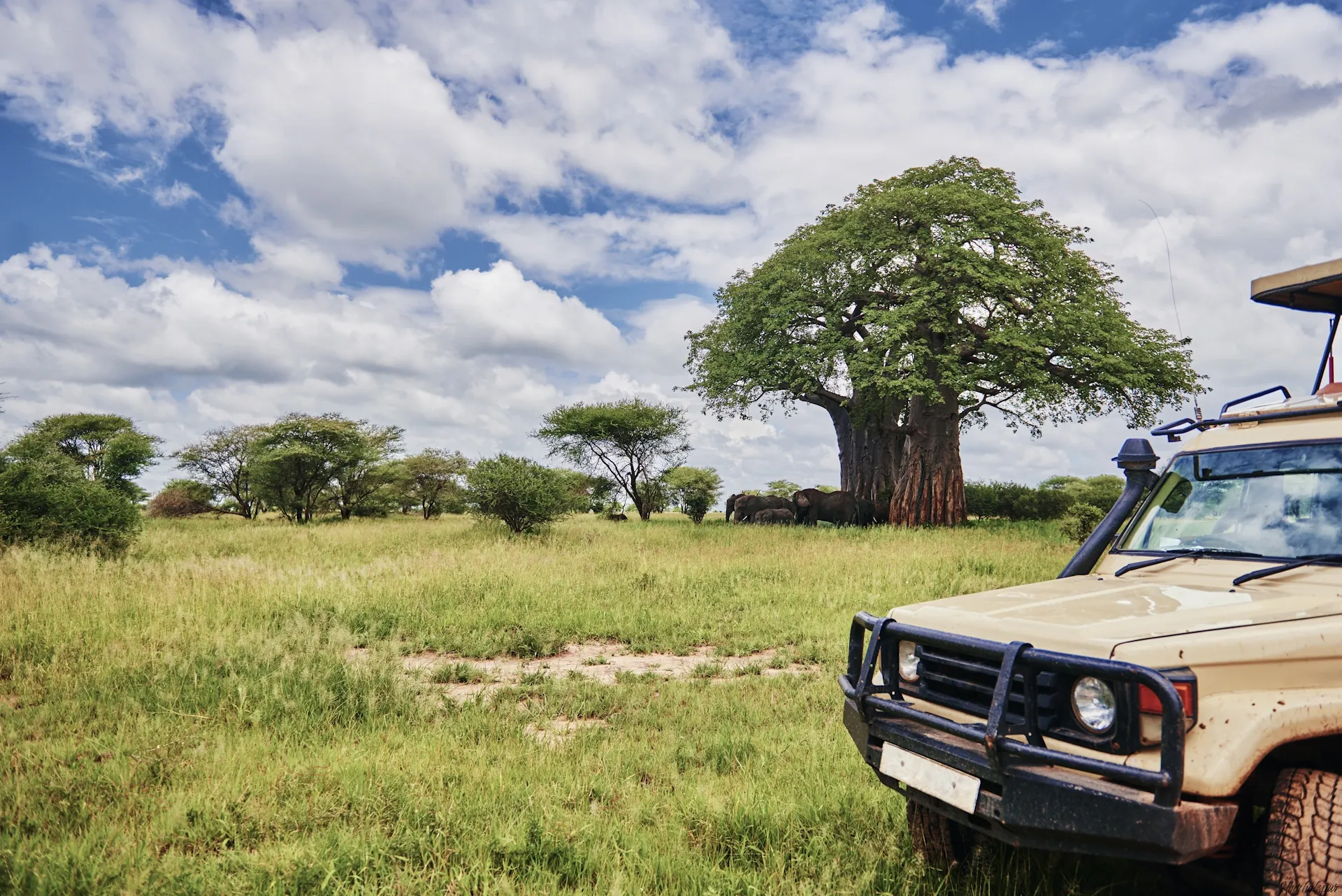
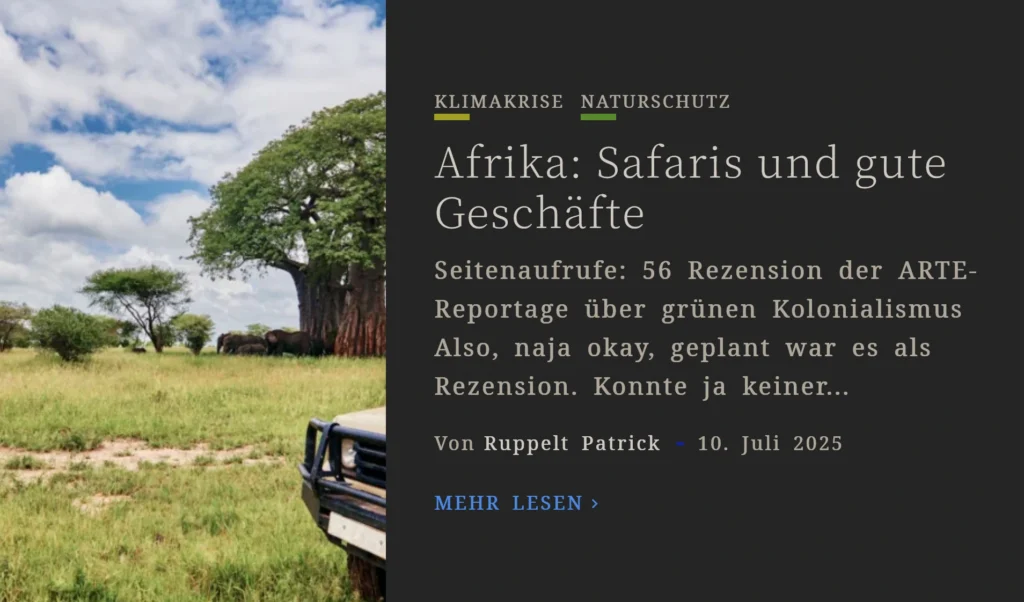
In theory, emissions trading and carbon markets can help reduce emissions where it is most cost-effective and channel money into nature-based solutions such as forest protection, reforestation and peatland restoration – areas that, according to the IPCC, could deliver up to a third of the global emissions reductions needed. 44 IPCC – AR6 WGIII: Climate Change 2022 – Mitigation of Climate Change (chapter on agriculture and forestry) 🌐https://www.ipcc.ch/report/ar6/wg3/ However, the reality of recent years has often been one of opaque projects, dubious certificates, double counting and cases in which indigenous communities have lost land rights in the name of „climate protection“. I have already written an interesting article on this topic, which you can find here: Africa: safaris and good business 45 Africa: Safaris and good business 🌐 https://paddys.de/afrika-safaris-und-gute-geschaefte/
This is precisely why environmental organisations warn that new market architectures without strict human rights, biodiversity and integrity standards could actually reinforce „climate colonialism“: rich countries buy their way out, while the South loses land, sovereignty and often real emissions reductions.46 Nature4Climate – COP 30 Delivers Progress — But Seems to Have Missed its Moment 🌐https://nature4climate.org/cop-30-delivers-progress-but-seems-to-have-missed-its-moment/ Kemfert emphasises that carbon markets should only be an additional tool – not a free pass to continue building fossil fuel infrastructure and water down the phase-out with compensation measures.47 Climate Compass with Claudia Kemfert – „Fossil fuel blockers are slowing things down – society has long since moved on“ 🌐https://youtu.be/DyDqbC9z6mc
Society has long since moved on: 83 per cent are concerned
The strongest counterpoint to all these obstacles in the report does not come from the negotiating tents, but from society. The second cohesion report by the Research Institute for Social Cohesion (FGZ) shows that 83 per cent of people in Germany are concerned about the consequences of the climate crisis, and 71 per cent believe that politicians should do more to protect the climate.48 Research Institute for Social Cohesion – (Im)possible transformation? Second Cohesion Report 🌐 https://fgz-risc.de/fileadmin/media/publikationen/Zweiter_Zusammenhaltsbericht/Zweiter_Zusammenhaltsbericht_FGZ_web.pdf 49 University of Bremen – Research Institute Social Cohesion: Majority of Germans Willing to Support Climate Action 🌐 https://www.uni-bremen.de/en/university/university-communication-and-marketing/all-news/details/research-institute-social-cohesion-majority-of-germans-willing-to-support-climate-action
The researchers distinguish between five „climate types“:
- Determined (18 per cent),
- concerned (18 per cent),
- In favour (31 per cent),
- Indifferent (25 per cent)
- and those who disapprove (8 per cent). 50 DIW Berlin – More cohesion on climate issues? 🌐 https://www.diw.de/en/diw_01.c.988598.en/more_cohesion_on_climate_issues.html
Ever since I first heard about the five climate types, I have been wondering which of the five types applies to me. You can tick multiple answers, but the climate types are mutually exclusive. So I can't be concerned and at the same time be one of the determined – which I am with what I do, i.e. writing, educating, organising fundraising campaigns with five-figure donations, even privately – oh, you don't even want to know how much I donate every year, while others fly to the Caribbean with the whole family in the summer for two weeks of diving. Yes, that's about right. A skiing holiday in Switzerland might also be possible. Yes, I probably count myself among the determined. Among those determined people who agree with concern and obviously cannot be pigeonholed. Winking smiley.
The opposing group – i.e. those who fundamentally oppose climate policy, are heavily influenced by disinformation narratives and are mostly politically right-wing to far-right – only accounts for around eight per cent, but is extremely vocal and overrepresented on social media and in parts of the traditional media. 51 University of Bremen – Majority of Germans willing to do more for climate protection 🌐 https://www.uni-bremen.de/universitaet/hochschulkommunikation-und-marketing/aktuelle-meldungen/detailansicht/forschungszentrum-gesellschaftlicher-zusammenhalt-mehrheit-der-deutschen-zu-mehr-klimaschutz-bereit 52 Richter, Christoph, Axel Salheiser, Noah Marschner, and Janine Patz. 2024. Climate of Regression: Public Climate Attitudes and Radical Right Anti-Climate Mobilisation in the Battle Around the Green Transition in Germany. In: Contested Climate Justice – Challenged Democracy: International Perspectives, edited by Noah Marschner, Christoph Richter, Janine Patz and Axel Salheiser, 235–259. 1st edition. Social Cohesion 9. Frankfurt: Campus, 18 September 2024. url: https://www.campus.de/buecher-campus-verlag/wissenschaft/soziologie/contested_climate_justice_challenged_democracy-18004.html. 🌐 https://fgz-risc.de/bibliothek/publikationsdatenbank/details/climate-of-regression-public-climate-attitudes-and-radical-right-an 53 Contested Climate Justice – Challenged Democracy 🌐 https://www.campus.de/e-books/wissenschaft/contested_climate_justice_challenged_democracy-18364.html
Kemfert links this to her own experience in the podcast: for years, the majority of people at her lectures and readings have been clearly climate-conscious and open to change – the radical obstructionists tend to appear in online shitstorms rather than in the lecture hall.54 Climate Compass with Claudia Kemfert – „Fossil fuel blockers are slowing things down – society has long since moved on“ 🌐 https://youtu.be/DyDqbC9z6mc The real divide is therefore not between „climate deniers“ and „climate saviours“, but between a broad, often uncertain climate protection majority and a small but well-organised minority that makes professional use of disinformation.
Fear of division – and yet a clear majority in favour of climate protection
It is interesting to note that the same studies show that around 70 per cent of people in Germany are concerned that climate policy could further divide society. 58 University of Bremen – „Majority of Germans willing to do more for climate protection“ 🌐https://www.uni-bremen.de/universitaet/hochschulkommunikation-und-marketing/aktuelle-meldungen/detailansicht/forschungszentrum-gesellschaftlicher-zusammenhalt-mehrheit-der-deutschen-zu-mehr-klimaschutz-bereit Many are therefore in favour of greater climate protection but at the same time concerned about the social consequences – such as rising prices, the threat of job losses and inequalities between urban and rural areas.
The FGZ report shows that the „concerned“ in particular play a key role: they share the climate concerns of the determined, but have similarly strong social concerns as the rejecters. 59 Research Institute for Social Cohesion – (Im)possible transformation? Second Cohesion Report 🌐 https://fgz-risc.de/fileadmin/media/publikationen/Zweiter_Zusammenhaltsbericht/Zweiter_Zusammenhaltsbericht_FGZ_web.pdf If climate policy is not socially cushioned, they are susceptible to campaigns that frame every measure as „climate dictatorship.“ If, on the other hand, climate policy visibly secures jobs, reduces energy poverty and includes regions, these very people can become a strong alliance for socio-ecological transformation.
Kemfert therefore makes a very clear demand: We must finally stop pretending in talk shows and headlines that Germany is „widely divided“ on climate issues. The data tells a different story – and every editorial team that consistently highlights this 70 to 80 per cent majority strengthens social support for consistent climate protection. 60 DIW Berlin – More cohesion on climate issues? 🌐 https://www.diw.de/en/diw_01.c.988598.en/more_cohesion_on_climate_issues.html 61 Climate Compass with Claudia Kemfert – „Fossil fuel blockers are slowing things down – society has long since moved on“ 🌐 https://youtu.be/DyDqbC9z6mc
Media logic vs. climate reality
A particularly honest moment in the report is the discussion about the media. Yes, good stories need friction. Yes, „Everyone agrees that climate protection is important“ doesn't sound like a ratings hit at first. But when editorial offices repeatedly artificially craft „two equally sized camps“ out of a loud eight per cent minority and a 70 per cent majority, the result is a completely distorted picture. 62 University of Bremen – „Majority of Germans willing to do more for climate protection“ 🌐 https://www.uni-bremen.de/universitaet/hochschulkommunikation-und-marketing/aktuelle-meldungen/detailansicht/forschungszentrum-gesellschaftlicher-zusammenhalt-mehrheit-der-deutschen-zu-mehr-klimaschutz-bereit
Drawing on 25 years of media experience, Kemfert describes how she is practically never asked, „What will it cost us if we do nothing?“ but almost always, „What will climate protection cost us?“.63 Climate Compass with Claudia Kemfert – „Fossil fuel blockers are slowing things down – society has long since moved on“ 🌐https://youtu.be/DyDqbC9z6mc The fact that failure to adapt to the climate crisis will cause trillions in future damage, according to the UNEP and the World Bank – from destroyed crops and flooding to healthcare costs – rarely receives the same media attention as complaints about CO₂ prices.64 UNEP – Adaptation Gap Report 2025: Running on Empty 🌐 https://greeningtheblue.org/stories/uneps-adaptation-gap-report-2025-warns-running-empty-adaptation-finance
This is precisely where the report comes in: it encourages us to change the narrative – away from „What do we lose through climate protection?“ to „What do we gain through a just transition – and what do we lose if we continue to allow ourselves to be held back?“.
Between anger and hope: What you can take away from this report
Perhaps after listening to this episode, you will sit there and feel a knot in your stomach. On the one hand, there is the reality of the COP30 negotiations, which have effectively pushed the 1.5-degree target into the distant future, a grotesque financing gap, watered-down resolutions and fossil fuel blockers who would rather cling to oil and gas profits than protect human lives. 66 UNFCCC – Update to NDC Synthesis Report 🌐https://unfccc.int/news/update-to-ndc-synthesis-report-shows-the-emissions-curve-is-being-bent-downwards-but-urgent 67 UNEP – Adaptation Gap Report 2025: Running on Empty 🌐https://greeningtheblue.org/stories/uneps-adaptation-gap-report-2025-warns-running-empty-adaptation-finance
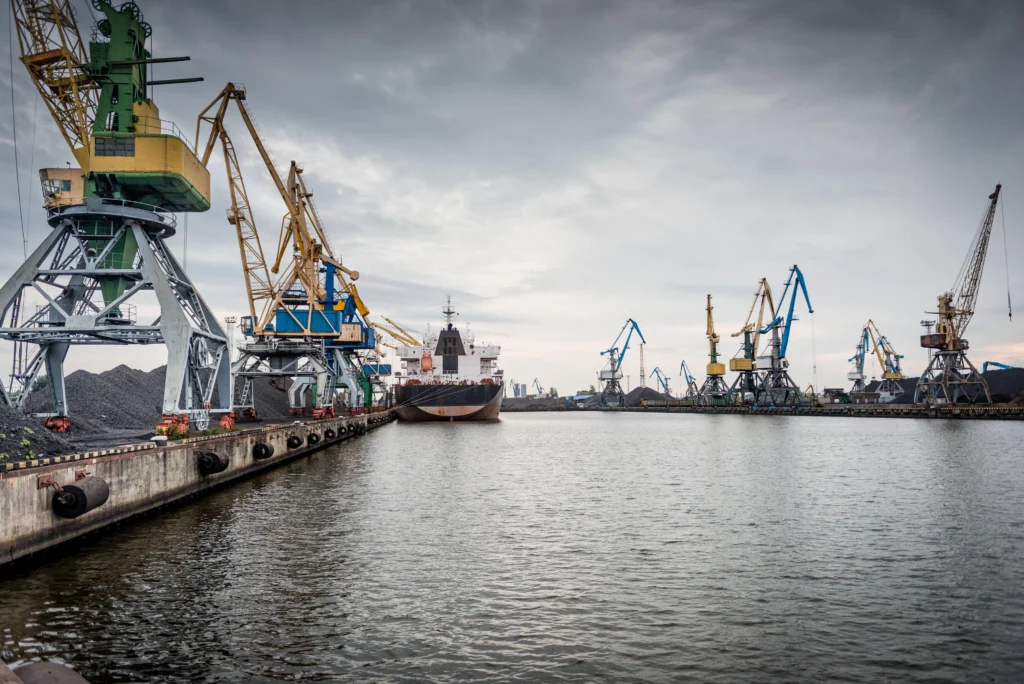
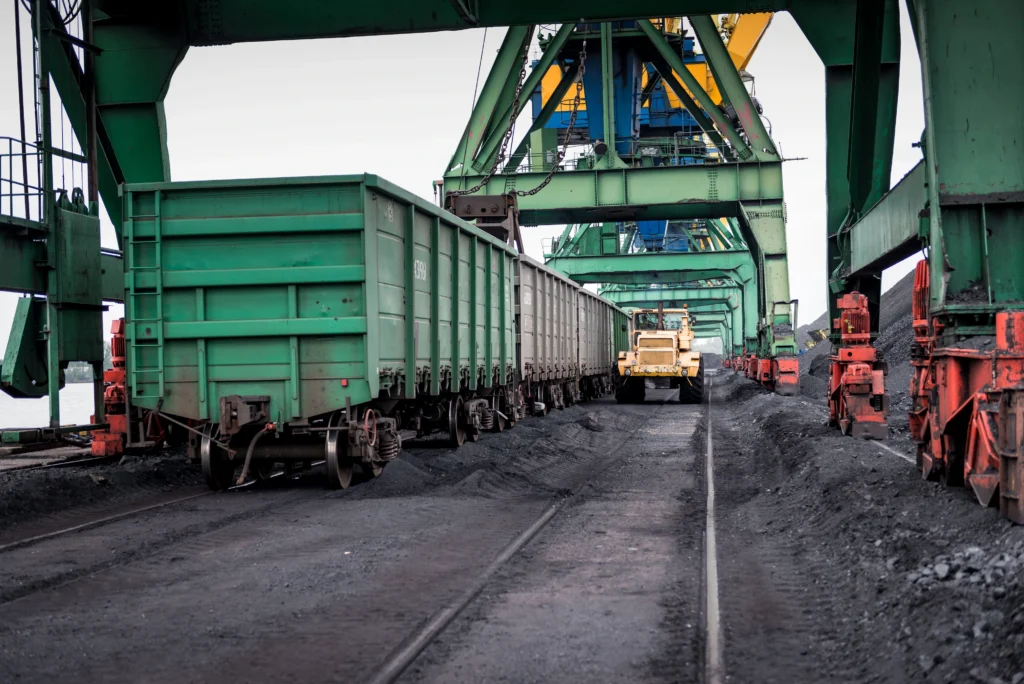
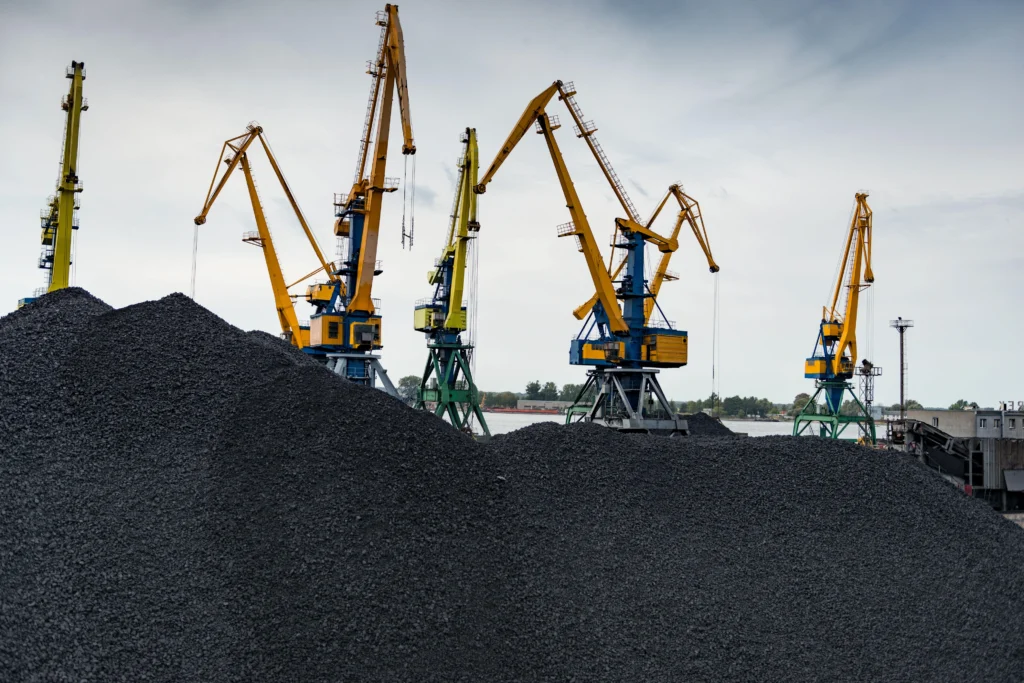
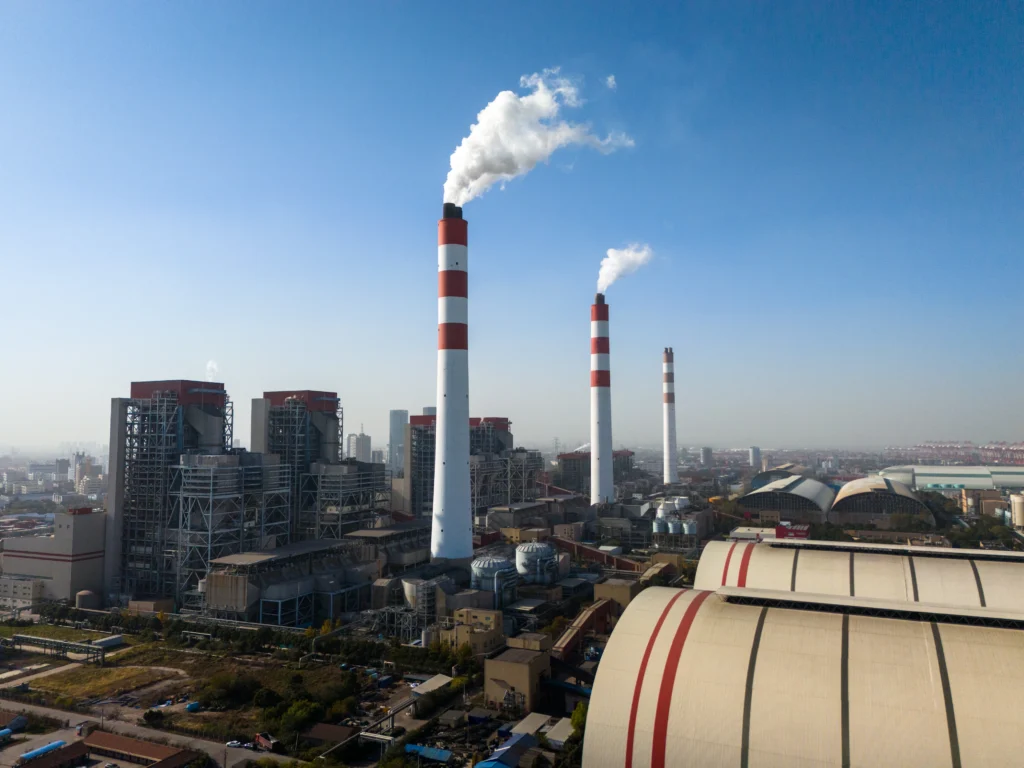
On a side note, you may have noticed that I am extremely cautious when it comes to figures and data from China. This is simply because there is hardly any relevant publicly available data from China on such far-fetched questions as, for example: How many square metres of rainforest would the Chinese government have to protect just to offset the CO₂ emissions of this single power plant in Shanghai? I did a few calculations using the sparse data from the linked sources.…

On the other hand: a society that is already much further ahead than many politicians and editorial offices are willing to admit. 83 percent are concerned about the consequences of climate change, 71 percent want more climate protection, and many companies and investors have long since strategically aligned themselves with a fossil-free future. 73 University of Bremen – „Majority of Germans willing to do more for climate protection“ 🌐 https://www.uni-bremen.de/universitaet/hochschulkommunikation-und-marketing/aktuelle-meldungen/detailansicht/forschungszentrum-gesellschaftlicher-zusammenhalt-mehrheit-der-deutschen-zu-mehr-klimaschutz-bereit 74 World Economic Forum – Climate adaptation finance ‘running on empty’, and other nature news 🌐 https://www.weforum.org/stories/2025/11/climate-adaptation-finance-climate-nature-news/
This report highlights both the structural violence of a system that is far too slow and the real power of a majority that is capable of organising itself. „Fossil fuel blockers are slowing things down – society has long since moved on“ is therefore more than just a review of COP30. It is a pretty clear „come on“ to all of us who are somewhere in that 83 per cent: don't let anyone convince you that you are part of a small, hysterical minority. You are the majority. And it is precisely this majority that must now become loud, uncomfortable and united – in local politics, the media, the economy, movements, in your everyday life.
Because if COP30 has shown us one thing, it is this: minimal diplomatic consensus will not save us. What can save us is a society that makes it clear to those blocking progress on fossil fuels that their time is up – and that is prepared to stand up for a fair and socially just climate policy.
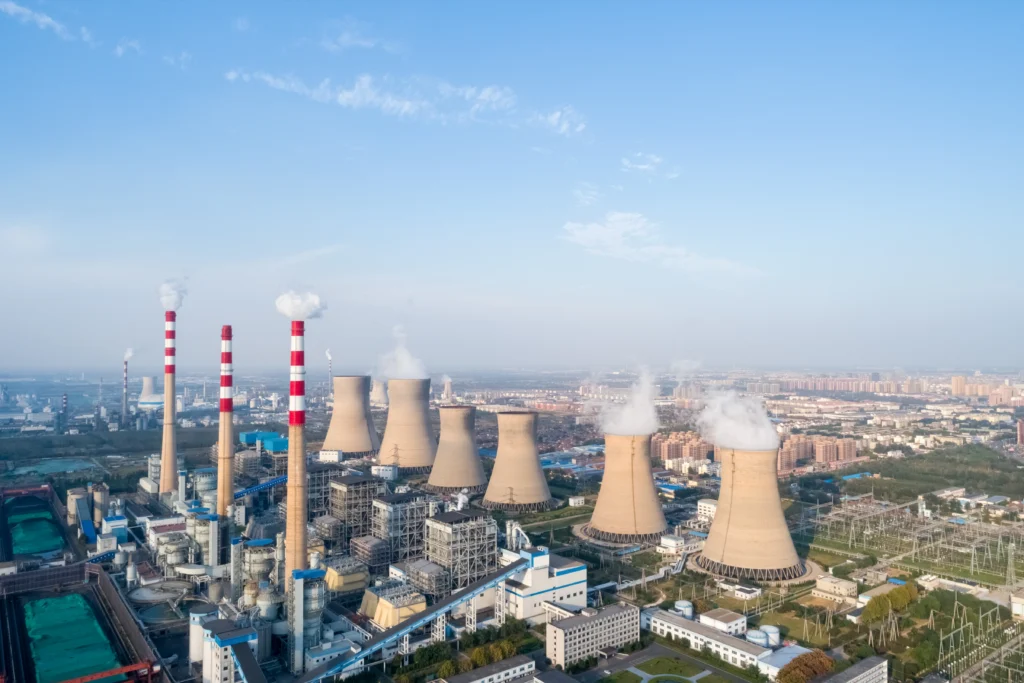
I promised you some more impressive figures. Here they are.
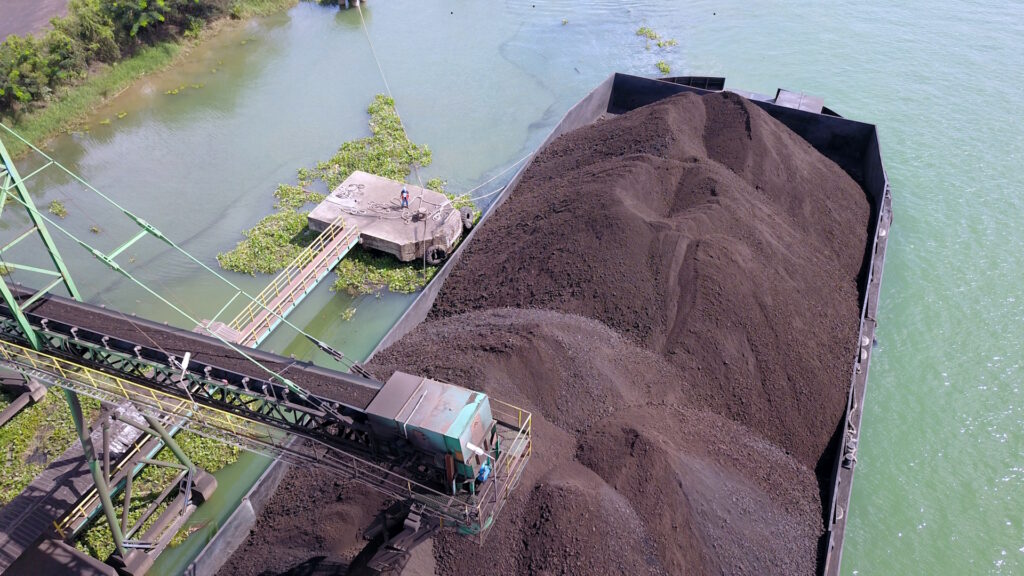
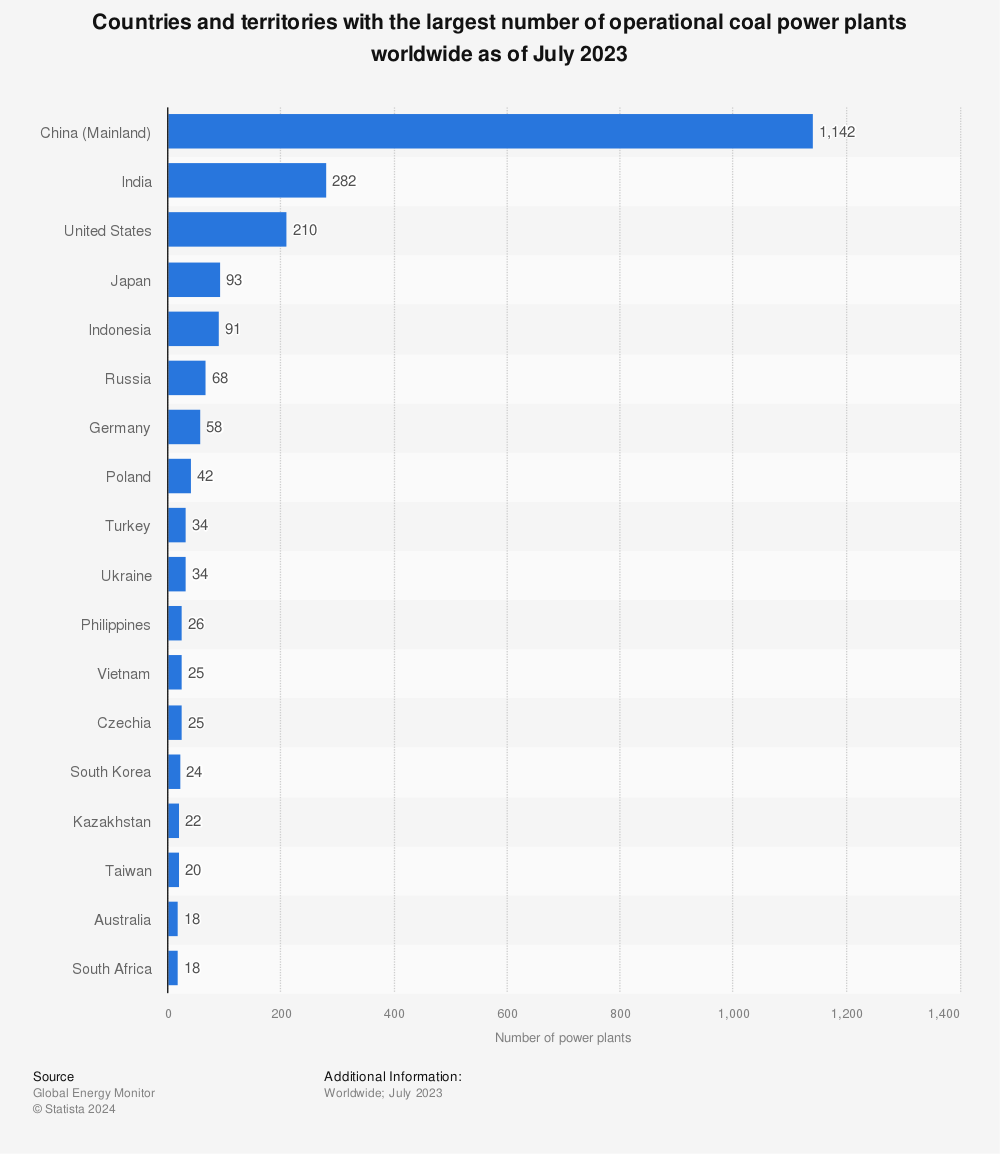
China currently operates around 1,160 coal-fired power stations – more than any other country in the world.78 statista: Countries and territories with the largest number of operational coal power plants worldwide as of July 2025 🌐https://www.statista.com/statistics/859266/number-of-coal-power-plants-by-country/ . It is currently building around 50 more. 79 carbonbrief: CHINA POLICY 13 February 2025 – China’s construction of new coal-fired power plants ‘reached a 10-year high’ in 2024 🌐https://www.carbonbrief.org/chinas-construction-of-new-coal-power-plants-reached-10-year-high-in-2024/ and has another 30 to 50 additional facilities in the planning stage 80 Boom and Bust Coal 2025 🌐https://globalenergymonitor.org/report/boom-and-bust-coal-2025/ 81 Boom and Bust Coal 2025 – Tracking the Global Coal Plant Pipeline, April 2025 🌐https://globalenergymonitor.org/wp-content/uploads/2025/03/Boom-Bust-Coal-2025.pdf 82 CREA, Centre for Energy and Clean Air: Global Energy Monitor: When coal won’t step aside: The challenge of scaling clean energy in China, 02/2025 🌐https://energyandcleanair.org/wp/wp-content/uploads/2025/02/CREA_GEM_China_Coal-power_H2-2024_FINAL.pdf 83 China sets new records in coal power plant approvals – Editorial Team, 13 February 2025 🌐https://www.rinnovabili.net/policy-and-affairs/chinas-coal-power-plants-record-approvals-and-new-construction/
These figures are only surpassed – drum roll – by those for renewables. Which brings us, who would have thought, to a positive conclusion:
In China, with 339 GW of solar, wind and other renewable energy capacity currently under construction, this is more than three times the total capacity of fossil fuel projects under construction, which amount to 94.5 GW of coal-fired capacity. 84 rinnovabili.net – The unstoppable growth of renewables in China: 339 GW already on site 🌐 https://www.rinnovabili.net/business/the-unstoppable-growth-of-renewables-in-china-339-gw-already-on-site/
Fun fact: China is also expanding renewable energy more than Germany operates across all technologies combined. All German power plants together currently have an installed capacity of around 265,000 MW (265 GW).85 Federal Network Agency: List of power stations 🌐 https://www.bundesnetzagentur.de/DE/Fachthemen/ElektrizitaetundGas/Versorgungssicherheit/Erzeugungskapazitaeten/Kraftwerksliste/start.html . Of this, around 177–190 GW, or around 70%, comes from renewable energies (primarily wind and solar) in the electricity mix, with the remainder coming from fossil fuel and other conventional power plants. 86 bundesnetzagentur.de – Federal Network Agency – Press – Expansion of renewable energies 2024 🌐 https://www.bundesnetzagentur.de/1043738 .
Find more statistics at Statista
Illustration: Statista: Countries and territories with the largest number of operational coal power plants worldwide as of July 2025. Editorial use. With kind permission from Statista 12 December 2025 87 statista: Countries and territories with the largest number of operational coal power plants worldwide as of July 2025 🌐 https://www.statista.com/statistics/859266/number-of-coal-power-plants-by-country/ . It is currently building around 50 more. 88