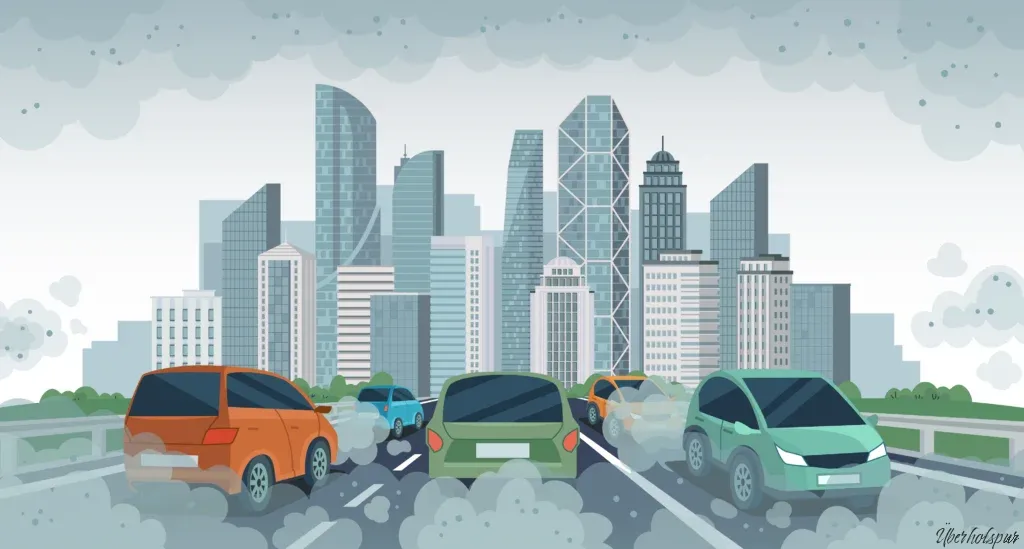


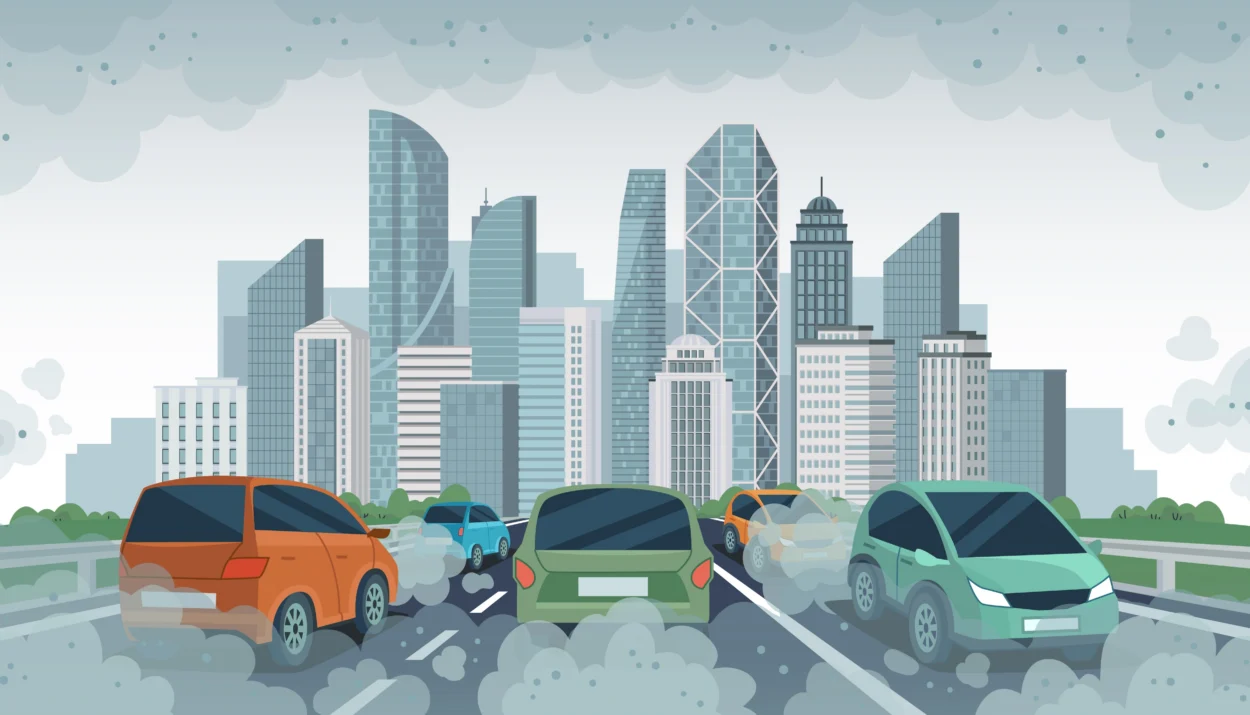
We are suing the city of Munich
and you are at the start
Oh boy. Something new and absurd really does happen every day. This time, Munich's Lord Mayor Dieter Reiter has done something that doesn't look like a „minor slip-up“, but like a full stop in terms of the rule of law and health protection.
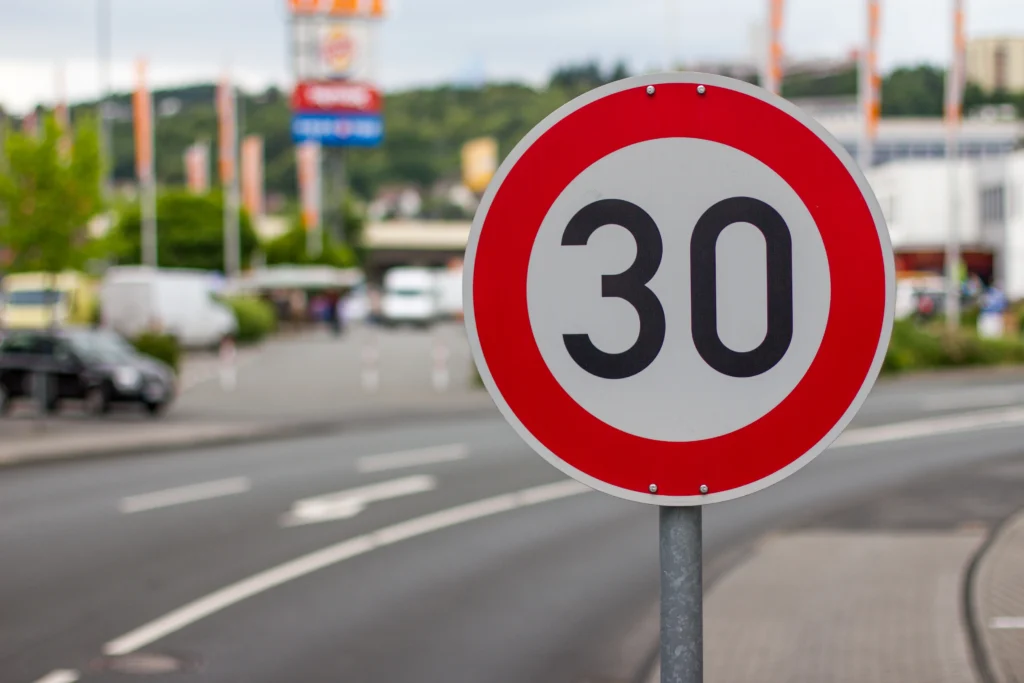
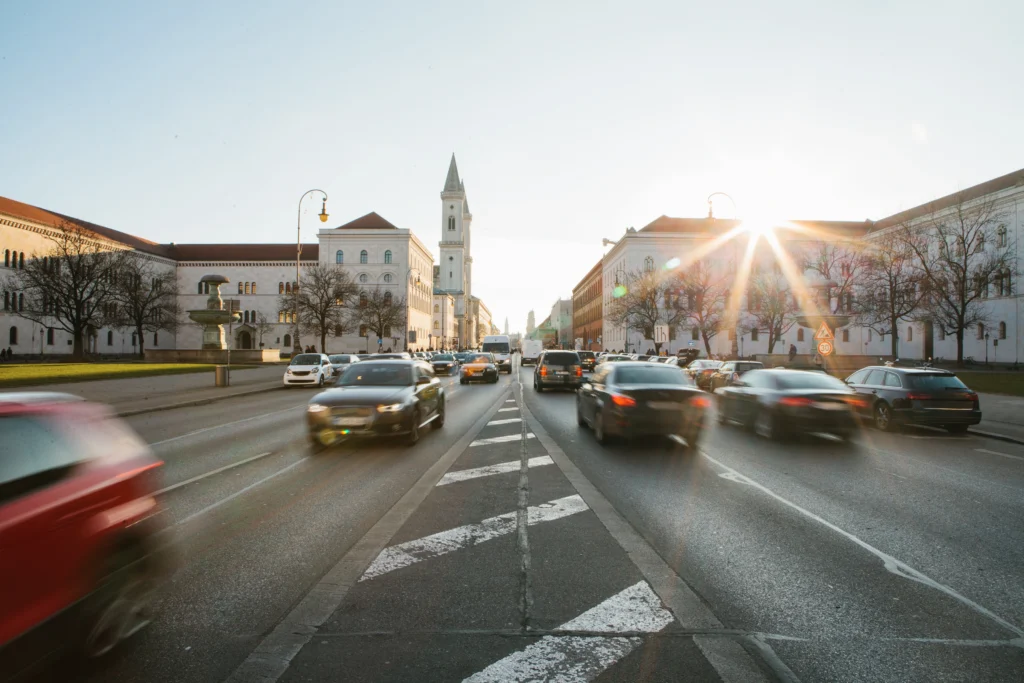
Instead of taking the clean air plan seriously, he simply had the 30 km/h speed limit signs on Landshuter Allee taken down again - on his own authority, without a city council decision, without changing the plan. 50 km/h, in the middle of the Mittlerer Ring, free again. And this despite the fact that a 30 km/h speed limit has significantly reduced nitrogen dioxide pollution there. 1 We are suing the city of Munich for clean air and the preservation of 30 km/h - donation mail from Deutsche Umwelthilfe 🌐 https://mailer.duh.de/w/7nCY763SwlTHd2Cbyu8zjhyQ/QZCL9OhNu9K763yv8lC8sDiw/RqIOaZl7Stickstoffdioxidbelastung 63cJKgGMA9bVA3xQ
Deutsche Umwelthilfe (DUH) calls this, to put it kindly, an election campaign manoeuvre against the law - and is now going to court. In summary proceedings. Against the city of Munich. For clean air. For a 30 km/h speed limit. And it needs our support.

What it's all about legally
The short version
- 30 km/h on Landshuter Allee is not a „nice to have“, but part of a Air pollution control measures enforced by the courts.
- The DUH has been litigating for years, so that Munich can take serious action against diesel emissions and NO₂.
- Now Reiter has personally ordered the removal of the signs - even though the underlying expert reports were the very reason why the 30 km/h speed limit was introduced. According to the city council, a „new“ report to which he refers does not even exist. I think that's a bit harsh.
- Now, you can have whatever opinion you like about 30 km/h. But telling tall tales about non-existent expert opinions, really now?
DUH has therefore filed two lawsuits with the Munich Administrative Court: in one lawsuit it is acting as the plaintiff, in the other it is supporting two directly affected residents of Landshuter Allee, who have over 100,000 cars on their doorstep every day.
Human lives are at stake
not about sensitivities
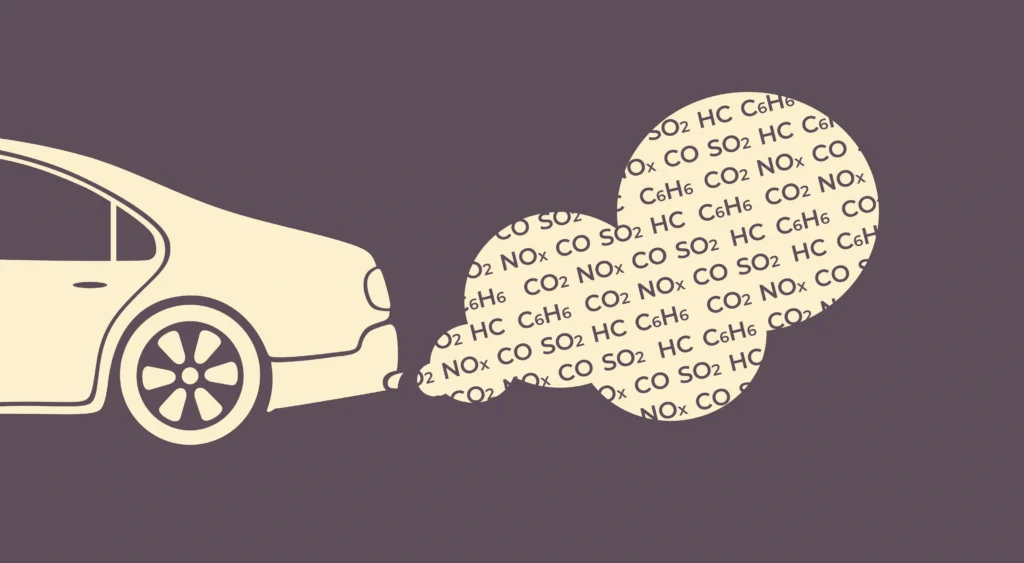
The European Environment Agency estimates that hundreds of people in Munich die prematurely every year as a result of NO₂ and particulate matter. NO₂ pollution alone causes around 655 premature deaths per year, and around 1,264 more from particulate matter. Frankly, I was surprised by these figures, shocked that it was even possible to be so precise. Condolences to the relatives. Yes, it's crass.

The Munich-Landshuter Allee measuring station has been setting negative records for NO₂ pollution for years. And while the World Health Organisation warns of health damage from 10 µg/m³, according to the DUH, Munich is still at 38 µg/m³ - almost four times higher than the value at which damage is proven to occur.
A 30 km/h speed limit was not a symbolic policy here, but a concrete answer: less NO₂, less noise, less stress for the heart, lungs and nervous system - and a better quality of life for people who have not chosen their address on the Mittlerer Ring „as a lifestyle“, but often have to live there due to financial constraints.
What 30 km/h means with
climate, animals and city life
When we talk about 30 km/h, we automatically talk about climate and species protection: less speed often means less acceleration and braking, less fuel consumption, less CO₂ - and therefore less pressure on already stressed ecosystems.
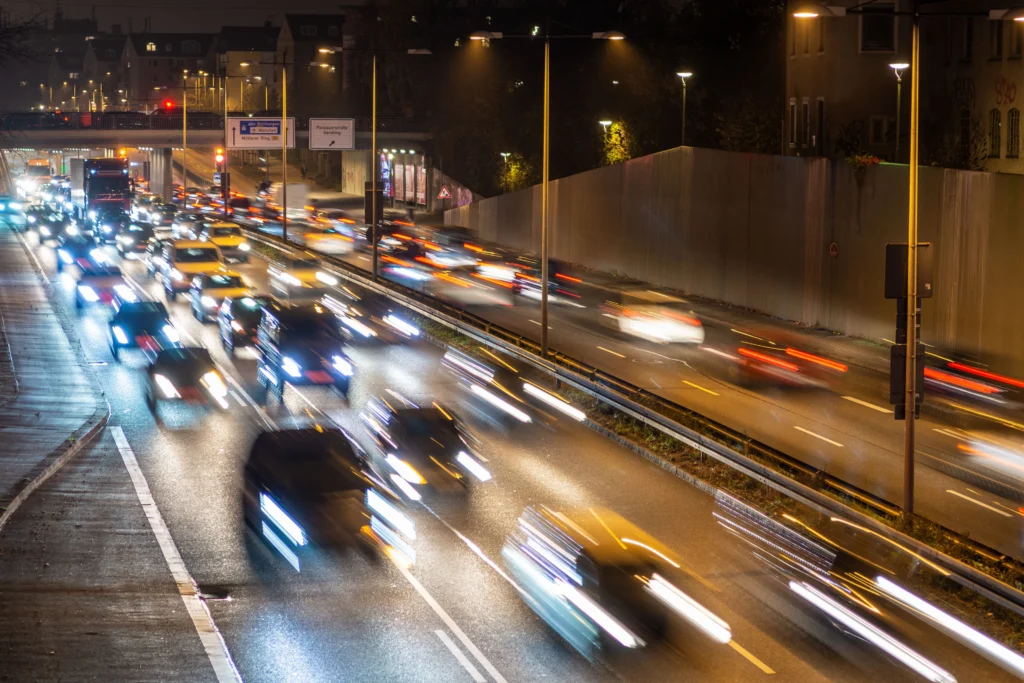
The Mittlerer Ring is a wall of noise for animals: birds, bats, insects and small mammals suffer from constant noise, light pollution and exhaust fumes. Every measure that reduces noise and emissions - such as 30 km/h - not only helps people, but also urban biodiversity, which is already under pressure at every turn.
Why I share the appeal for donations
Normally I write long, source-saturated articles that you read with a coffee (or two). Today is different: the focus is on the appeal for donations. In Munich, DUH is the firewall between an arbitrarily acting mayor and the people who have to pay for the exhaust fumes every day.
Lawsuits in summary proceedings are expensive, and Umwelthilfe is largely financed by donations. If we want someone to defend the rule of law for us against the car lobby, then we need to empower precisely these people.
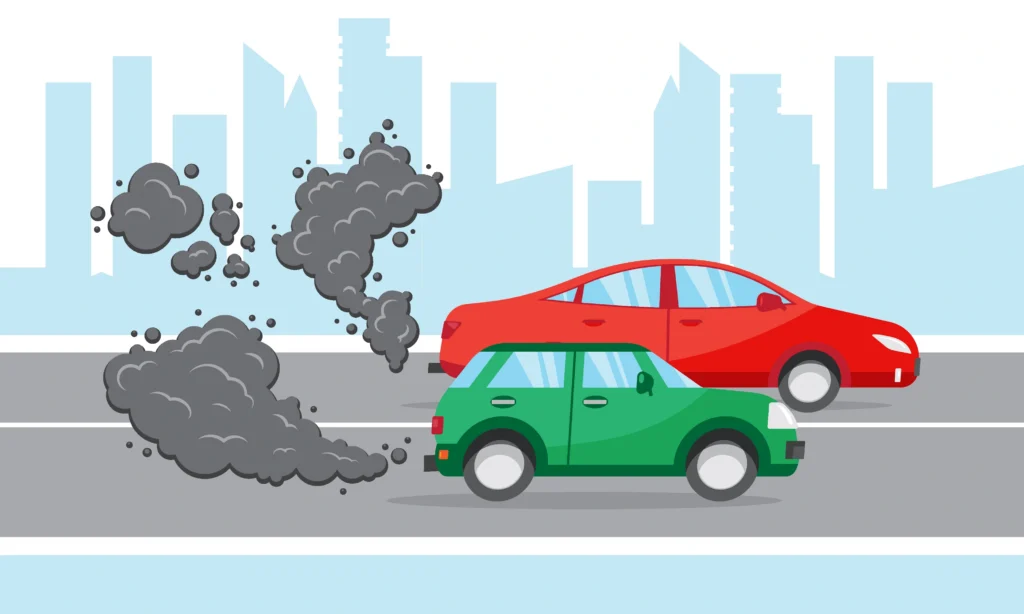
What you can do now
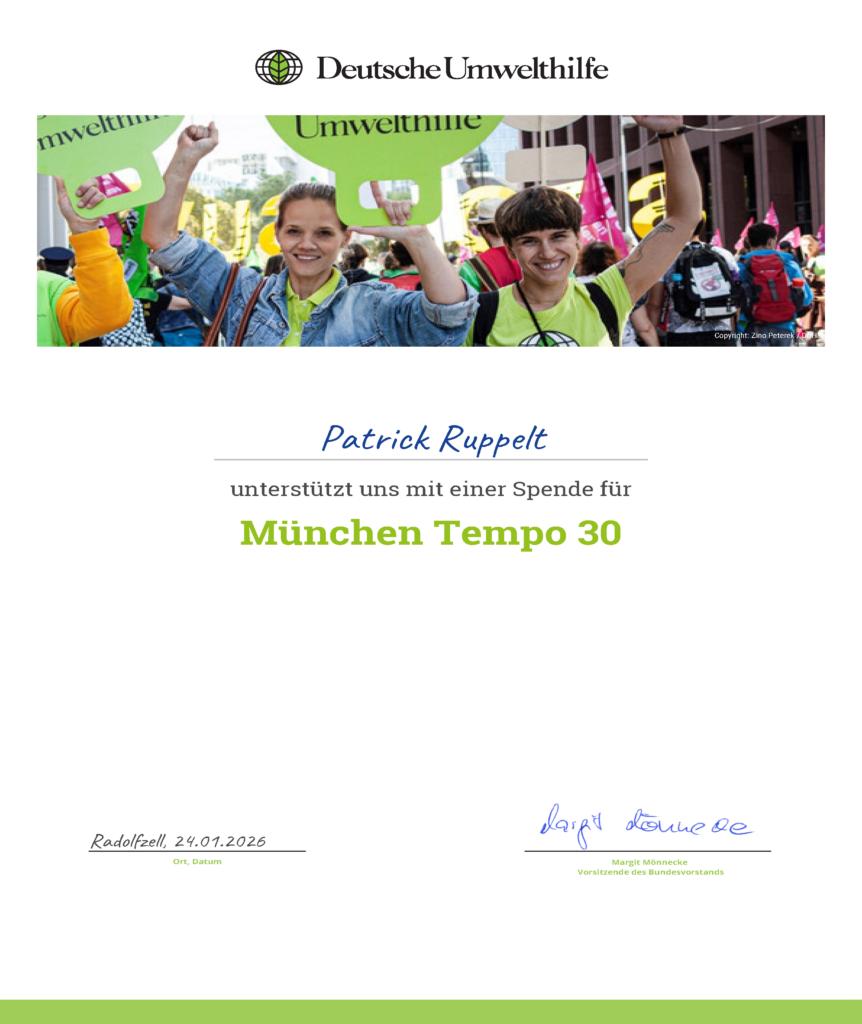
- If you can afford it: Donation to Deutsche Umwelthilfe with the keyword „München Tempo 30“. 🌐 https://www.duh.de/spenden/aktion-muenchen-tempo-30-012026-einzelspende/?&wc=NL_DSB_445_260123_b 2 Appeal for donations from Deutsche Umwelthilfe - Munich 30 km/h 🌐 https://mailer.duh.de/w/7nCY763SwlTHd2Cbyu8zjhyQ/QZCL9OhNu9K763yv8lC8sDiw/RqIOaZl763cJKgGMA9bVA3xQ 3 Yes, I donate for the maintenance of 30 km/h on Landshuter Allee 🌐 https://www.duh.de/spenden/aktion-muenchen-tempo-30-012026-einzelspende/?&wc=NL_DSB_445_260123_b
- If you live in Munich: talk to friends, colleagues, neighbours - at the Landshuter Allee your lifetime hangs in the air.
- - If you are „only“ online: Share the campaign, link to the DUH information and make it clear that this is not about a few minutes of driving time, but about health, climate and justice.

Picture: Your donation has arrived - thank you very much! We thank you from the bottom of our hearts for your donation! Your support makes a difference and helps us to continue to fight for the environment, climate and people with all our strength. - DUH 4 Your donation has arrived 🌐 https://www.duh.de/spenden/jetzt-spenden/danke/?fb_betrag=100&fb_project_id=133589&fb_type=einzel&transactionId=FB-T-35126263&duh_aktionscode=445E#fbForm [/footnote]